
RAILROAD SIGNALS of the U.S.
EARLY RAILROAD SIGNALS

This page covers signals that have
(mostly) gone the way of the steam engine. Pretty soon, we will be able to
add B&O CPL's to this page at the rate they are being replaced by color
light signals.
At the top of the page: CIND #2252, a high-nose
GP-30, passing a tilting target signal in Kokomo IN.
Ball
Banner Box
Banjo
Banjo signals work by an actuating mechanism
pulling a hoop covered with a colored piece of fabric, in front of an opening so
the engineer could see it by day, and some of them had a much smaller window at
the top which was illuminated for night time operation - the color was the same
as the main indication. These signals were not failsafe as later signals
were, as power applied would normally activate the red
indication.
There are few remaining examples of
this signal type around. Julie Johnson of the Illinois Railway Museum
estimates that there are around a dozen or so of these signals left in
existence, the majority of which are in museum collections. I am aware of
banjo signals at the IRM in Union IL, Orange Empire in Perris CA, and the
Railroad Museum of PA, in Strasburg. The first picture set below is
from one of the few known signals that is in private hands.

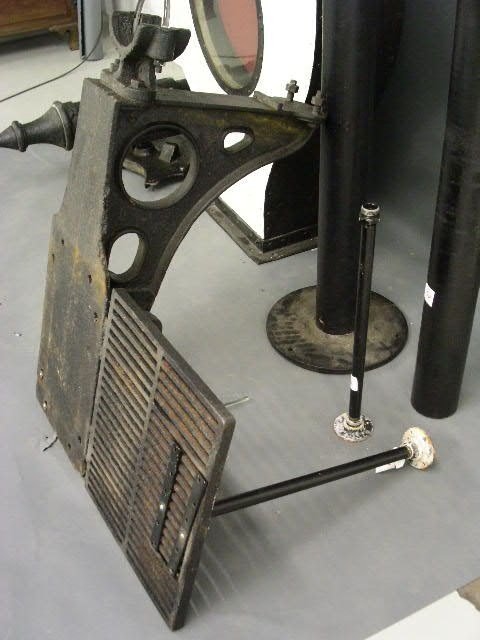
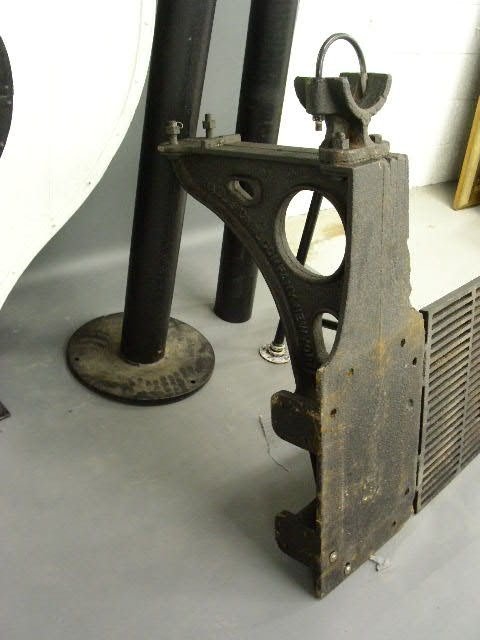
The pictures above are of a banjo signal that recently
sold on EBay for $15,000, the auction ended on Sep 14th, 2007. Altho the
listing stated that the date on the signal was 1843, the signal was probably
from much later, and the electric was probably not added until the early
1900's. Looking at the photo below, you can easily see how the mounting
bracket was attached to the mast and used to support the signal.

This photo, by Donald Wise, was taken in Reading
PA, sometime in the early 40's (I believe)....ah, the good ole days! This
is one of the very few pictures I have come across on the internet and was well
"hidden".
Another photo I came across on the internet, not sure where, but
it shows a banjo installation on the CNW in Iowa. Notice the semaphore
also in use, possibly in conjunction with the banjo
signal?
Smashboards
Tilting Targets
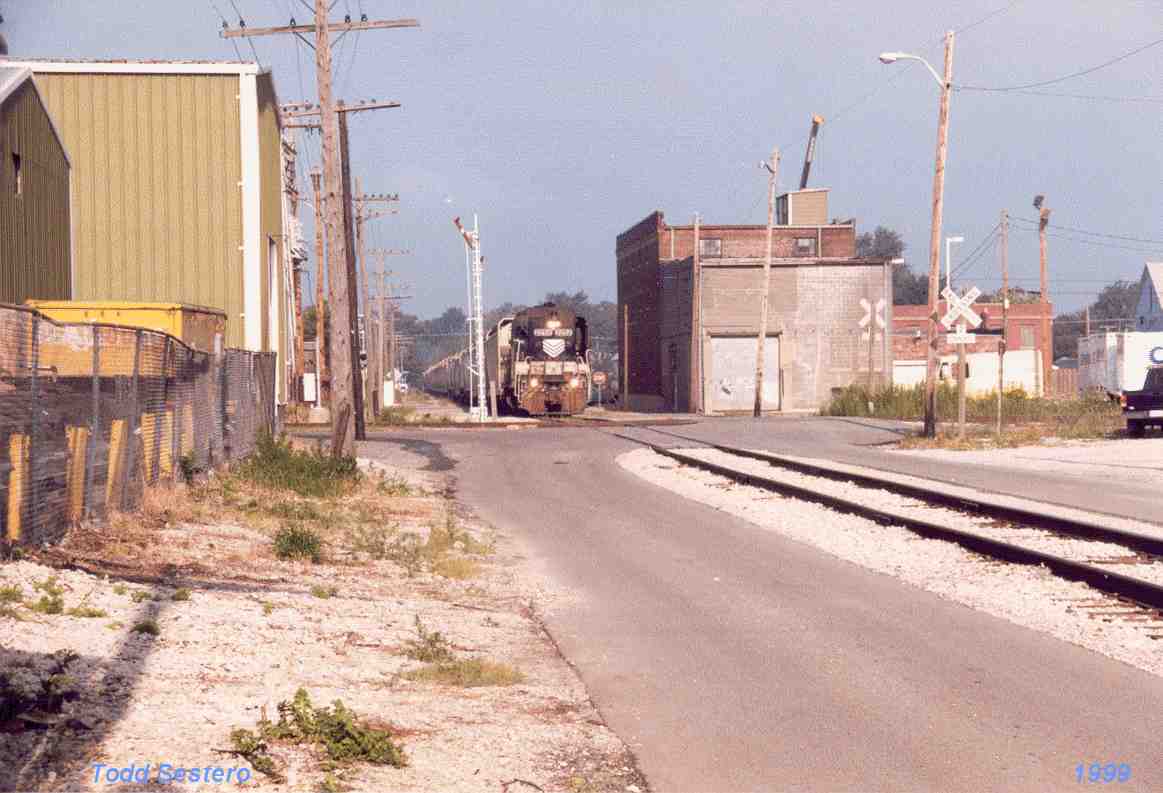
As mentioned above, CIND GP-30 #2252 passing a tilting
target in Kokomo IN in 1999.
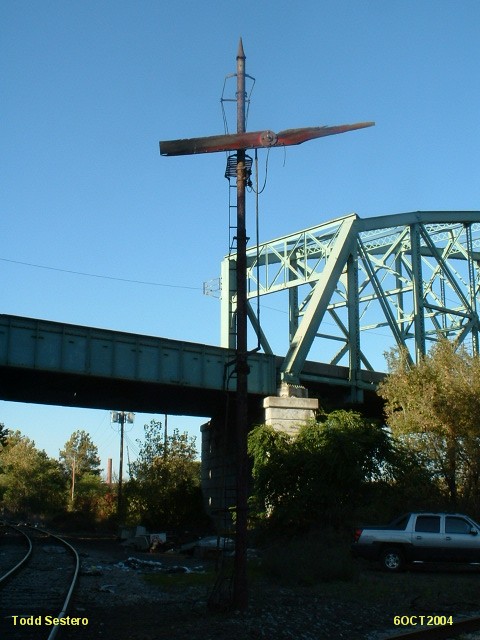
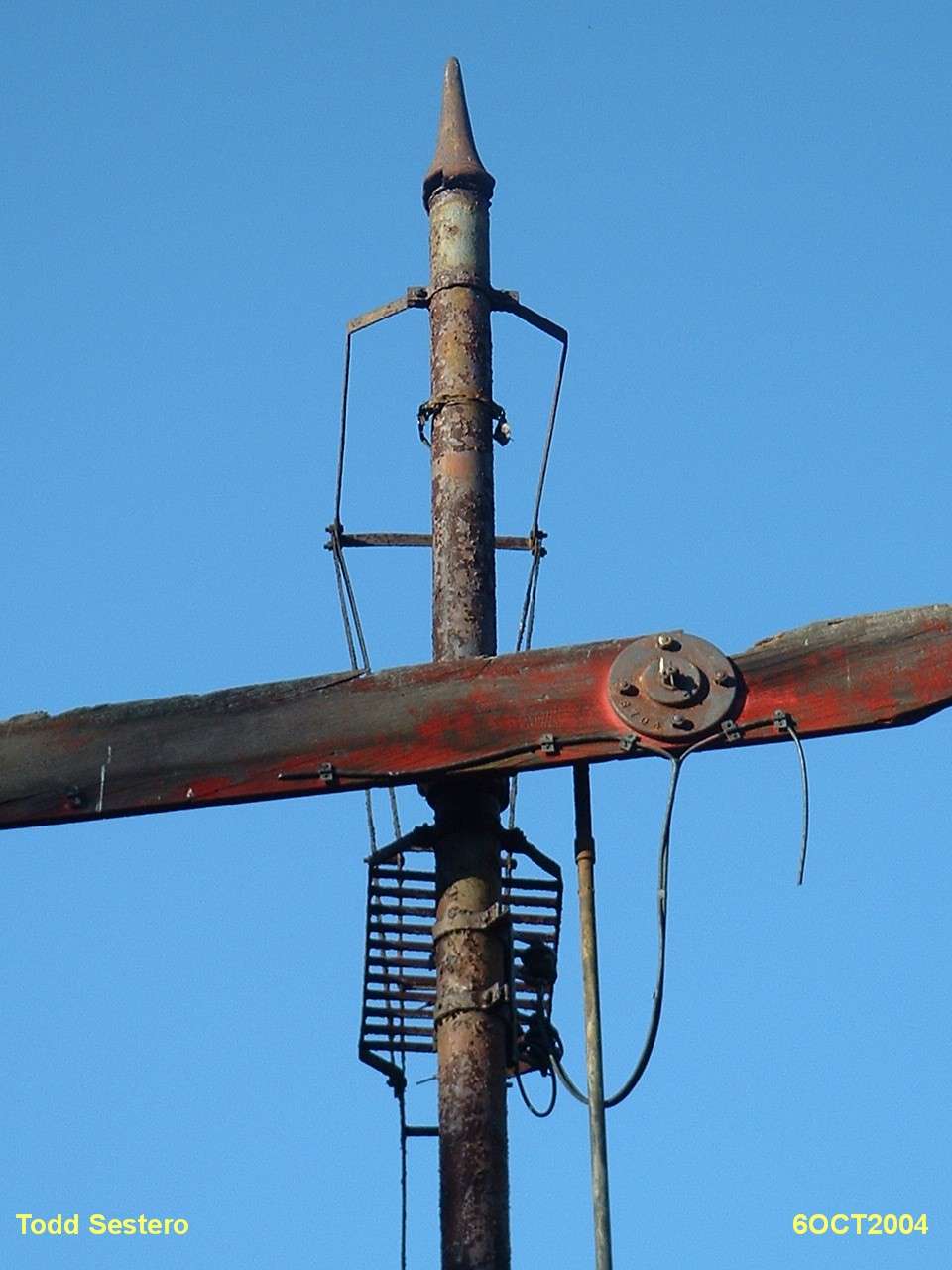
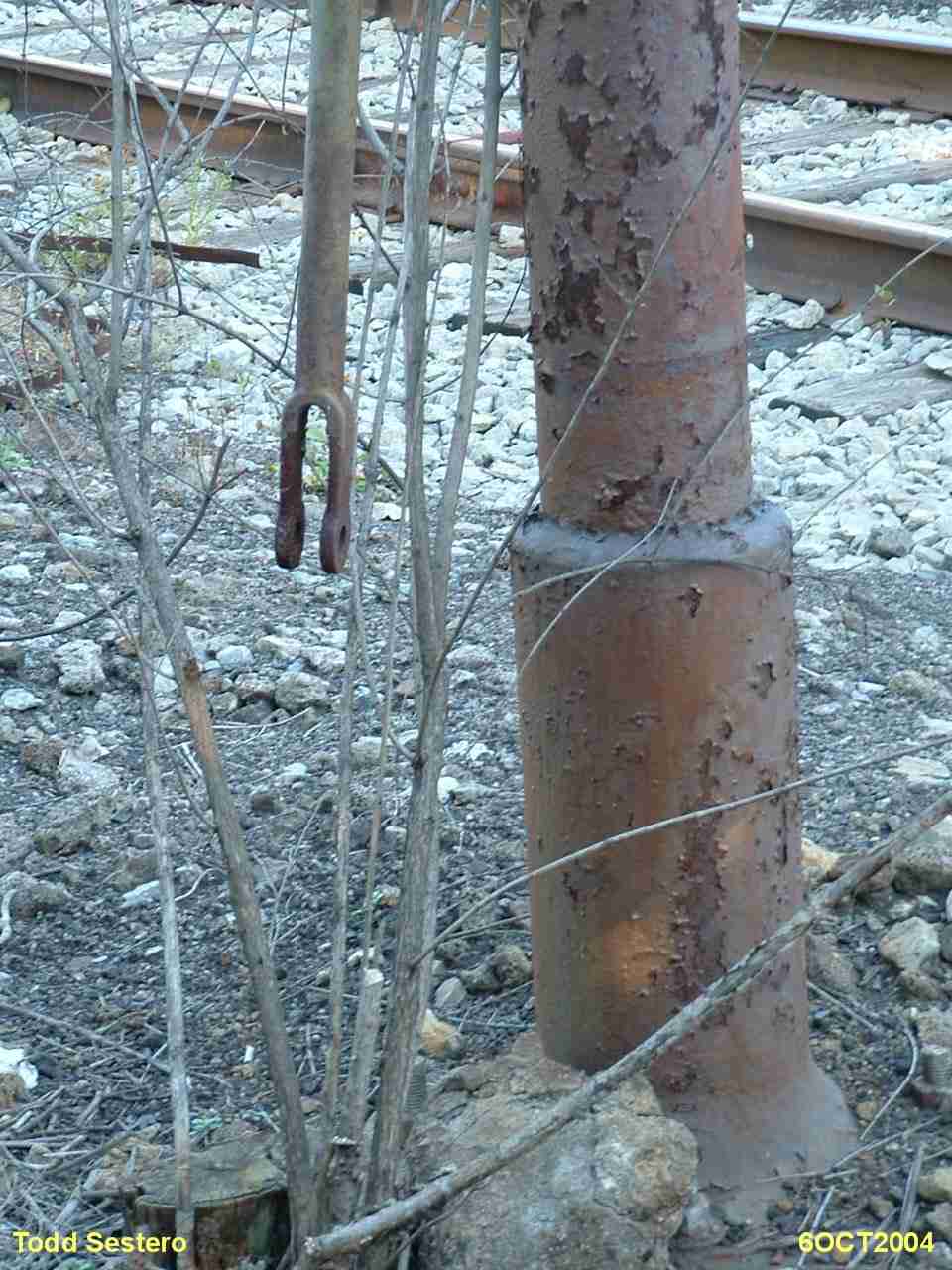

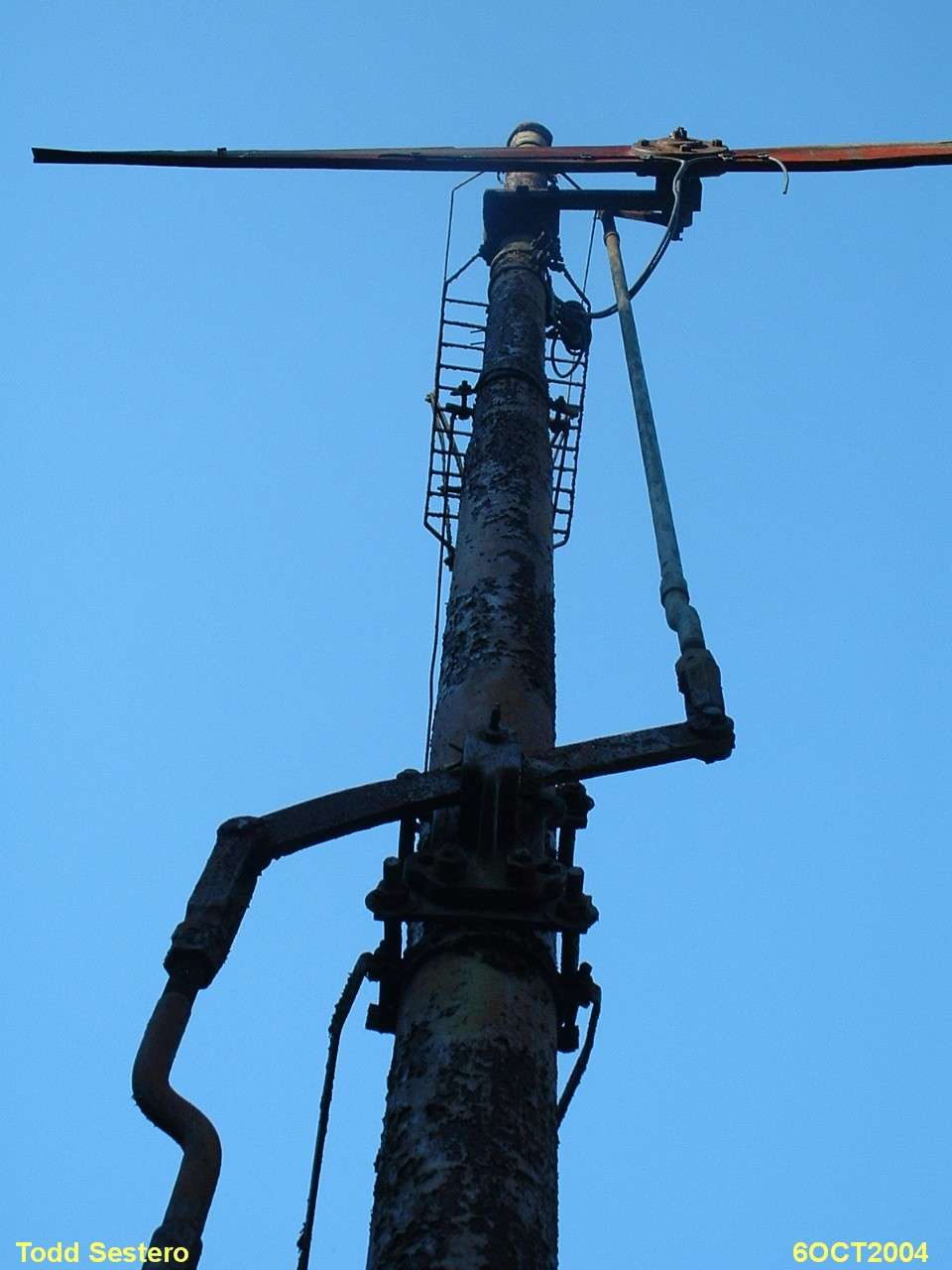
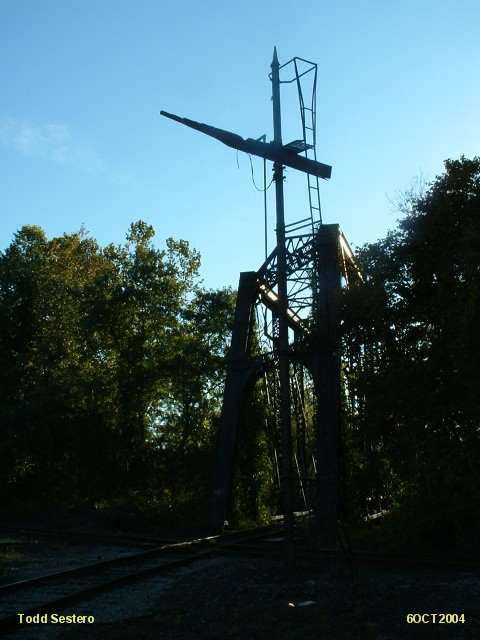
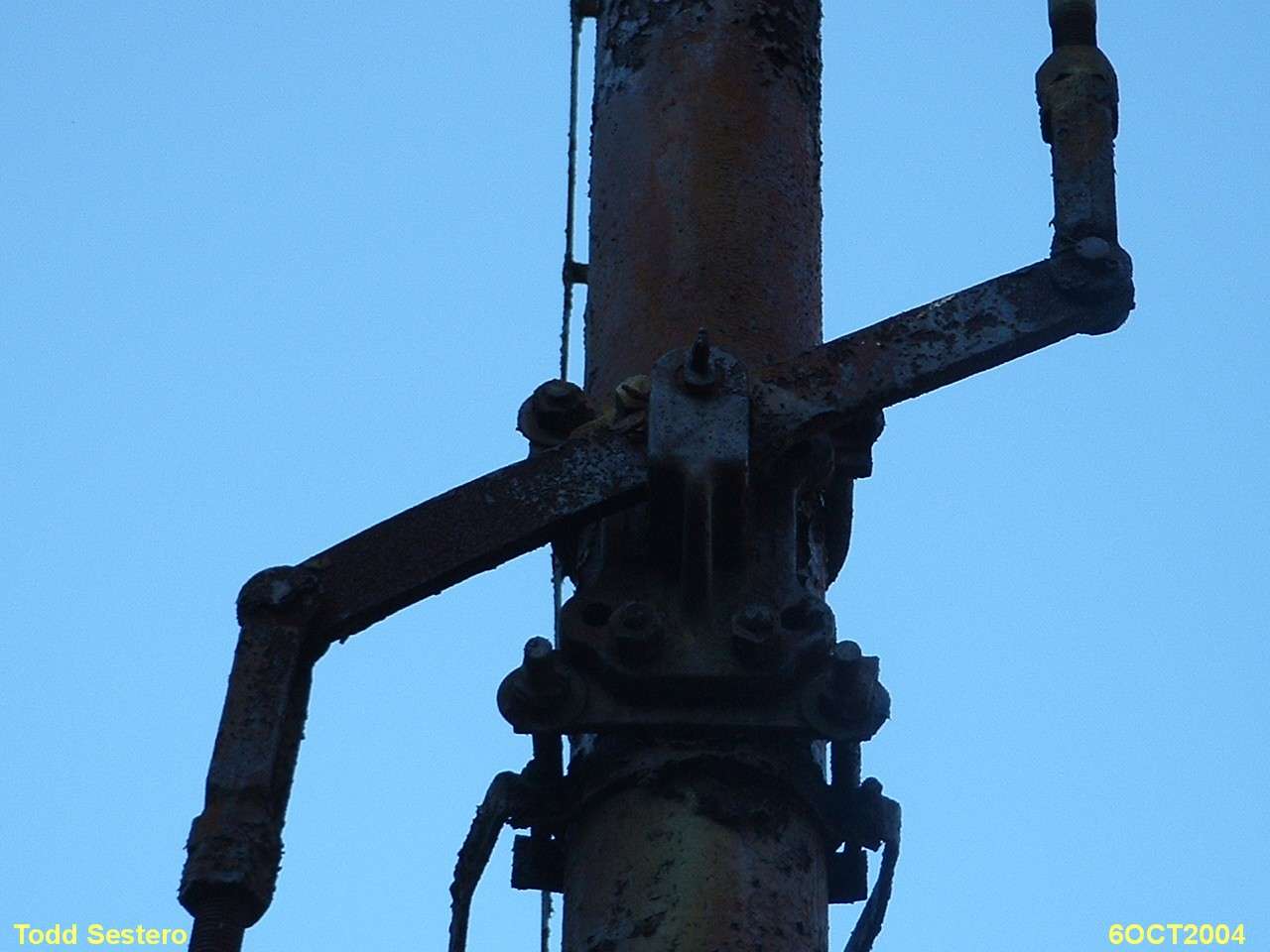
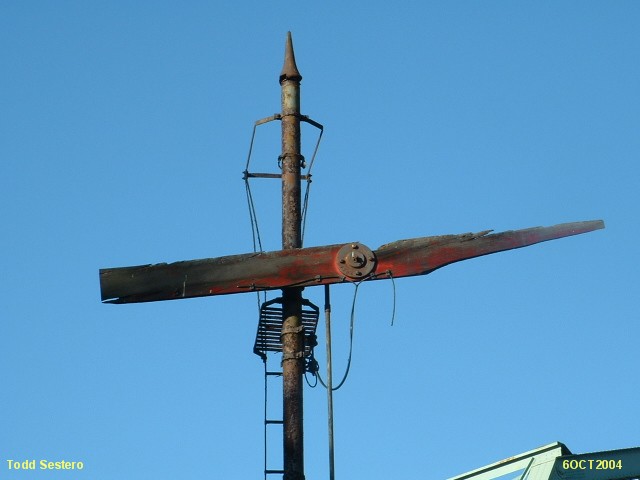
Here's the remains of a tilting target signal I came
across on a business trip back in 2004 in New Castle PA, about 45 minutes NW of
Pittsburgh. Be sure to check out the New Castle Industrial RR while you're
there.
Semaphores
Semaphore signals have their own section.
If you have anything to contribute, please send it and a description to toddgp30@yahoo.com...
New 10-6-2006
Last Modified On:
12-Jul-2010