Whistles
Horns
Whistles and horns played an important part in railroad history as much as any other railroad related device.
They provide protection for trains that people can hear, as opposed to most of the other forms of signaling which require someone to SEE the warning or information.
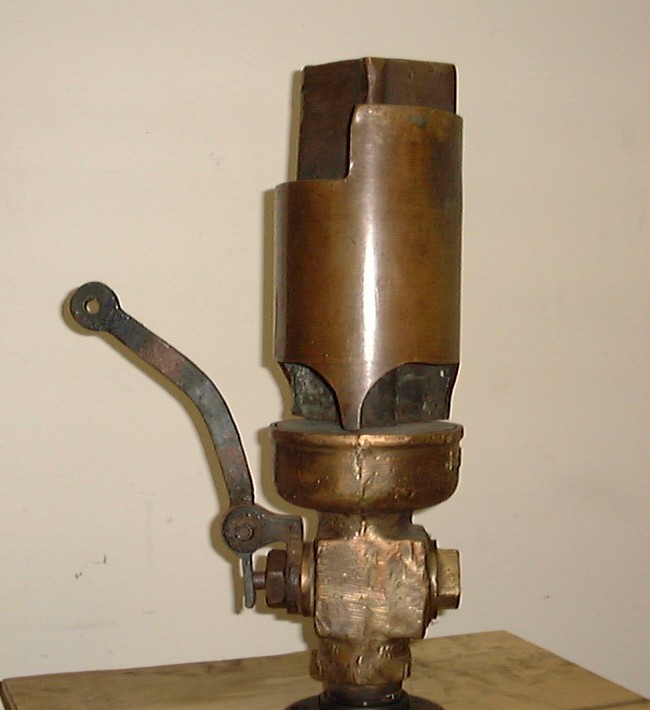
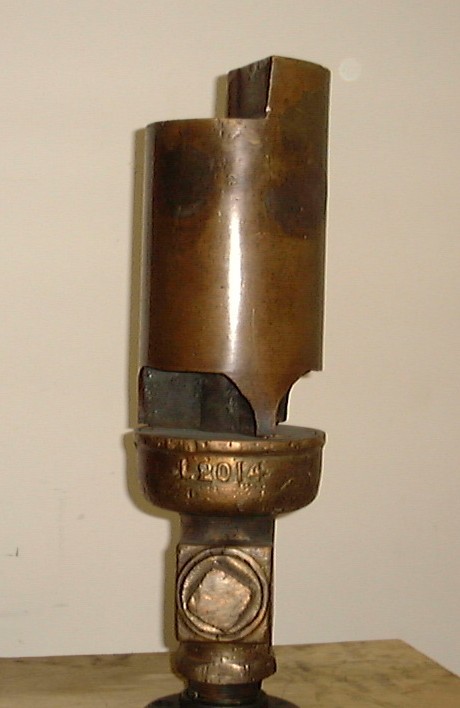
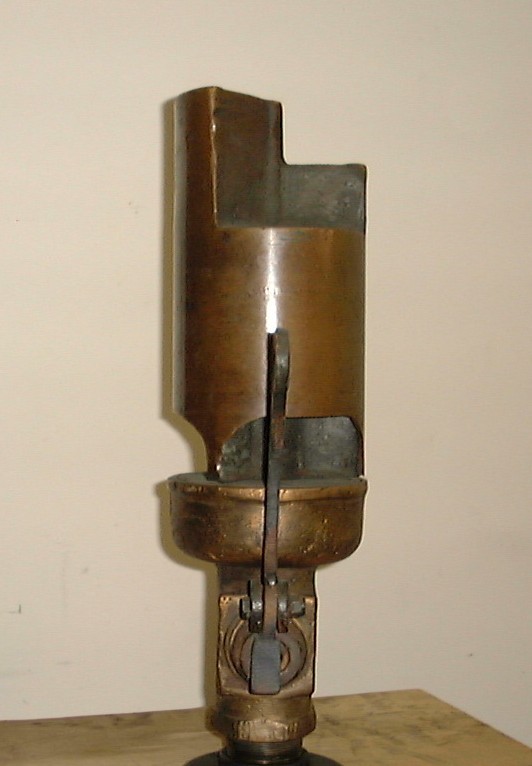
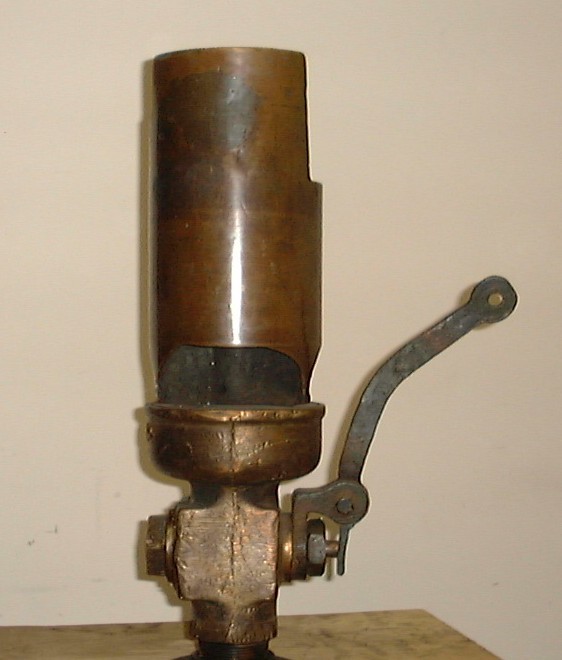
Whistles came along first. Most, if not all were made of brass to resist the moisture in steam, as iron or steel would rust. Brass was cheap, and easy to cast and machine. They could be simple single tone whistles, or have as many as three or four chambers, such as the first one shown below.
Horns pretty much came along when they came out with diesel engines. One place where they continued using whistles was on the rear platform of cabooses when trains were backing up, and the conductor was given the responsibility for clearing the crossings.
Horns could be as simple as a single tone, or "chime", up to a five chime unit found on large diesel engines. Most transit systems use a single chime horn because of cost. Most diesel horns today are either three or five chime horns, but prior to (about) the early 50's, most locomotive air horns were single chime. Horns made for EMD, Alco, Fairbanks-Morse, and GE all had their very own distinctive sounds.
Two of the more well known manufacturers of trains horns are Leslie and Nathan. Others over the years have been WABCO (Westinghouse Air Brake Co), Air-Chime Ltd, Buell Air Horns, Gustin Bacon Manufacturing Co., and Prime Manufacturing Co. According to Wikipedia, and we know how unreliable some of their editorial content can be, the Leslie SuperTyfon model S-5T is considered as the "King of Horns".
If you're looking to buy these items, be prepared to shell out some substantial cash. Typical 3 chime horns run around $400-$800, and 5 chimers run anywhere from $500 on up depending on condition. Whistles are anybody's guess, but the cheapest I have seen them at trains shows is around $400.
One place you can buy legitimate
rebuilt air horns is from this place:
http://www.airhornsoftexas.com/, pictures from them below.
They have Nathan 3 and 5 chimes at $700 and $1100 apiece and feature audio clips
of them passing a grade crossing.
More info at:
http://www.locomotivehorns.info/
nice train horn website by Chris Moyer
http://en.wikipedia.org/wiki/Train_horn, they also have audio clips!
A link to one fellows train horn
collection is here
This section will get updated with
info, pictures, and links as I come across 'em.
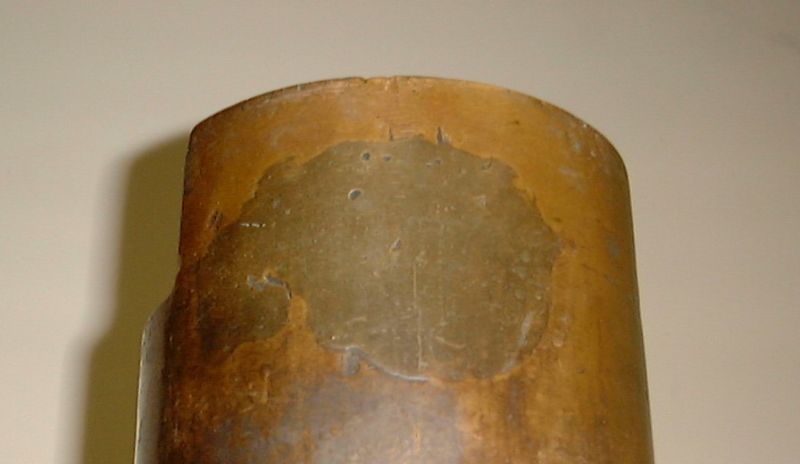
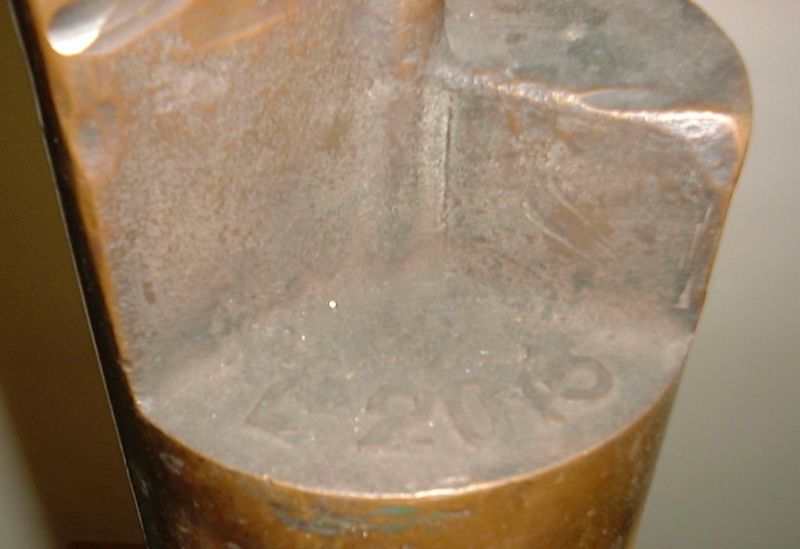
A whistle I found on EBay, it's listing price was around $400, don't know what it sold for.

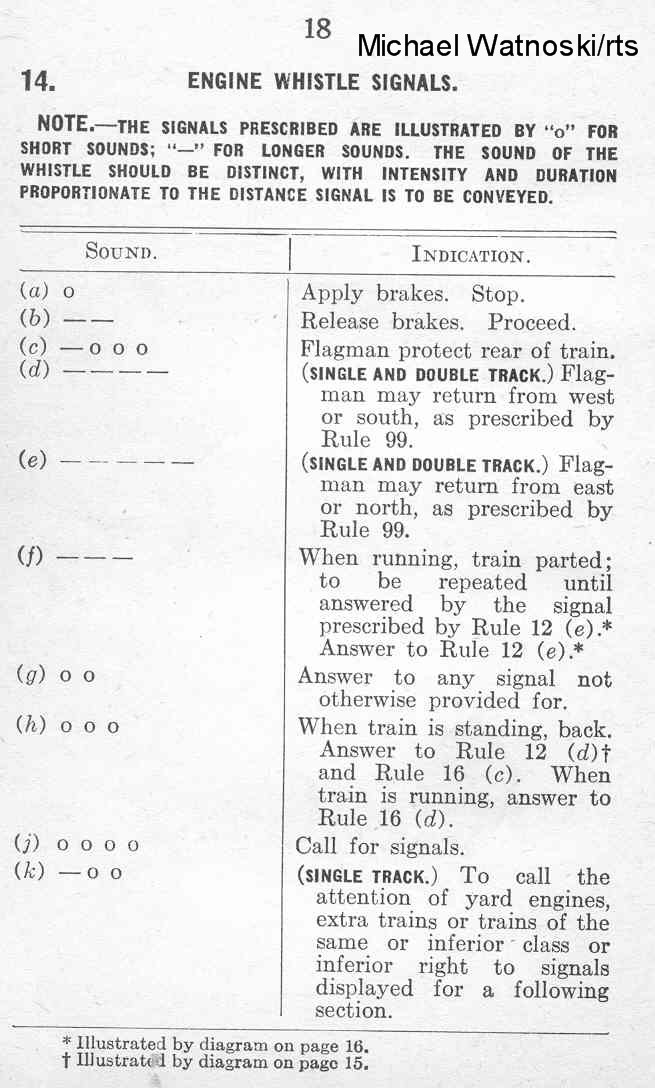
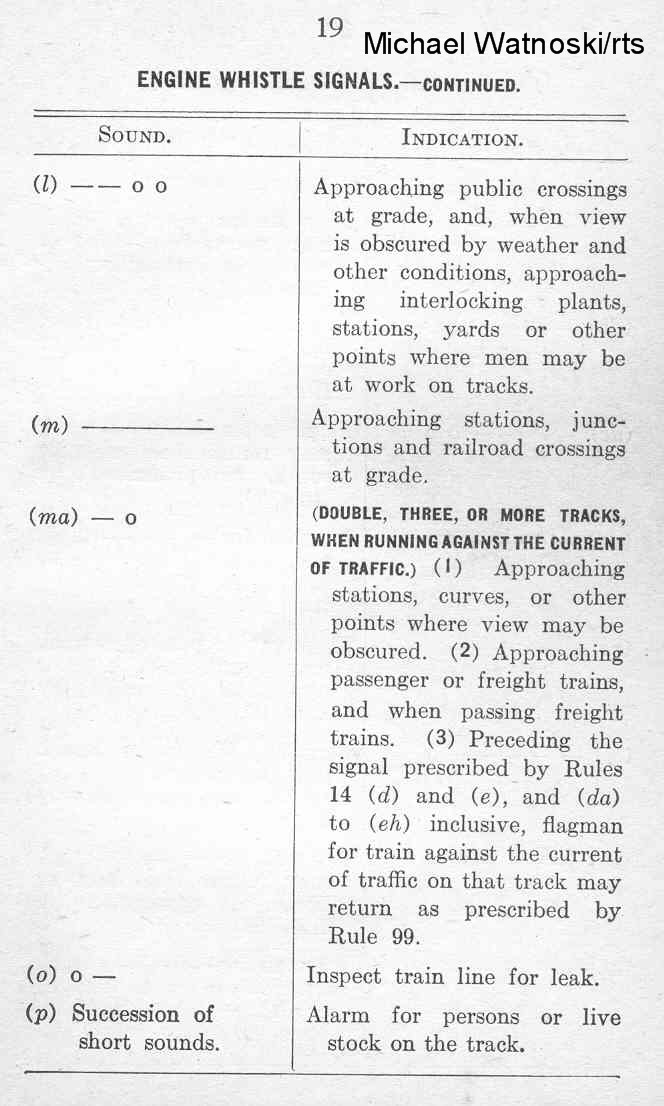
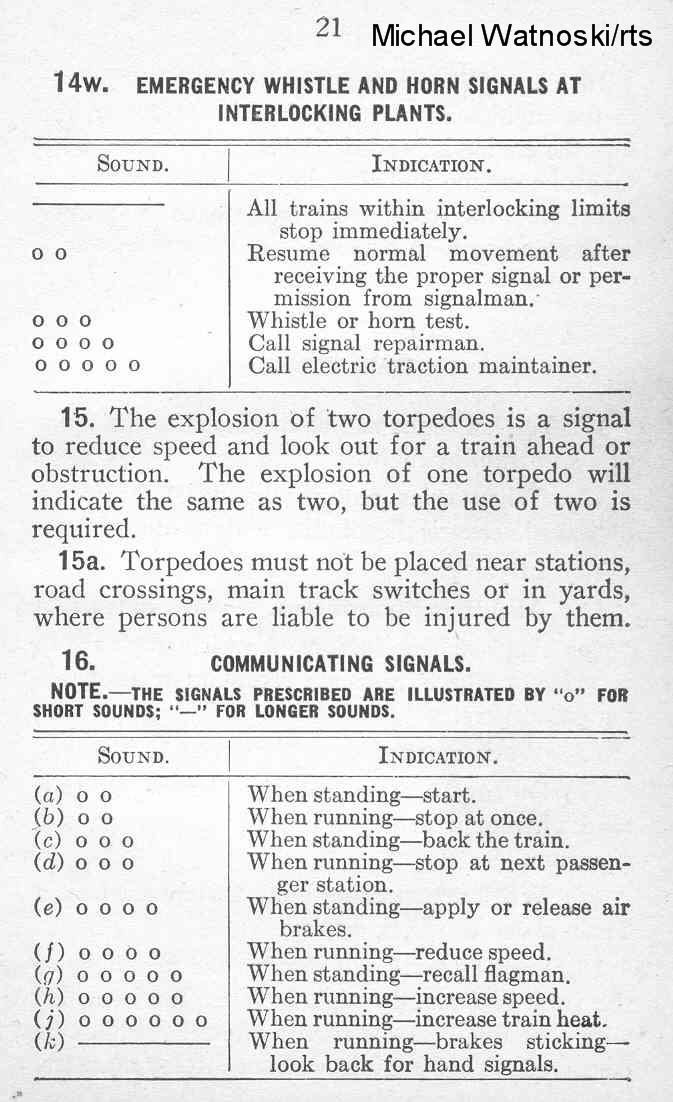
Standard PRR Whistle Signal Rules
These
pages are from a PRR rulebook dated April 26, 1925.
The scans are pages 18 through 22.
For the train signals from this rulebook, click
HERE.
Thanks to Michael Watnoski for loaning me his PRR
rulebook.


Leslie Locomotive Air Horns
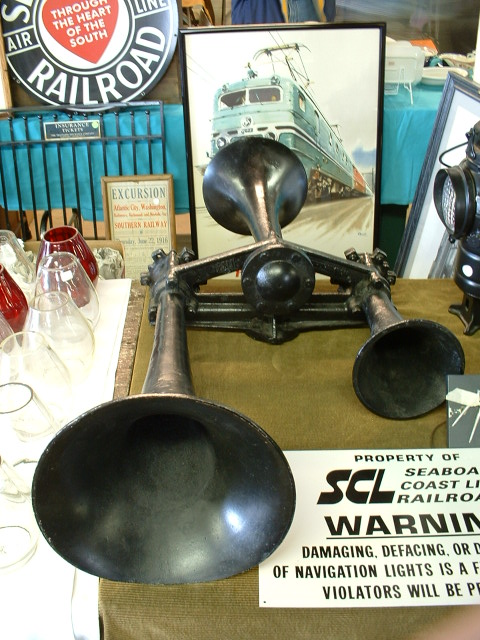 A three chime at the Gaithersburg MD train
show 11/5/2006
A three chime at the Gaithersburg MD train
show 11/5/2006
 Leslie
SuperTyfon model S-5T
by Harvey Henkelmann from Wikipedia
Leslie
SuperTyfon model S-5T
by Harvey Henkelmann from Wikipedia
Nathan Locomotive Air Horns
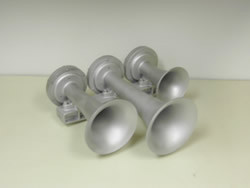 Nathan K3LA
 Nathan K5LA
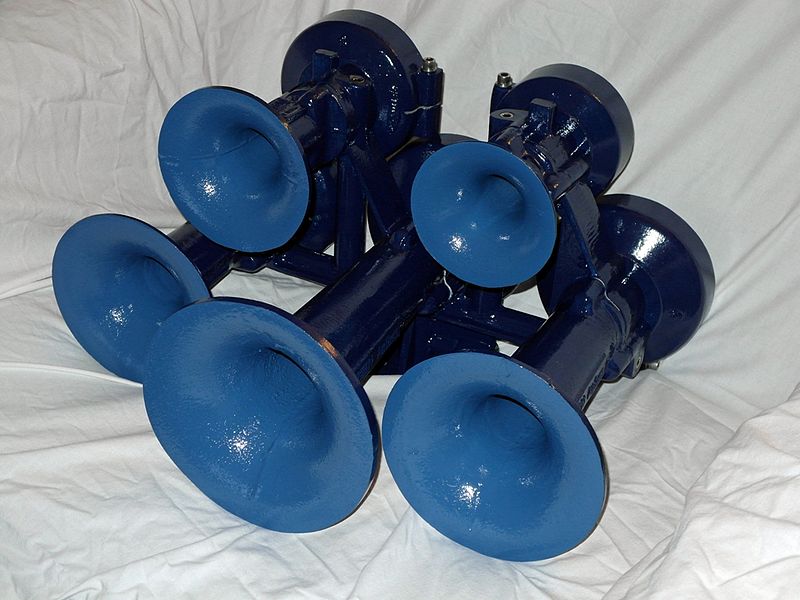 Nathan M5 by Harvey Henkelmann from Wikipedia
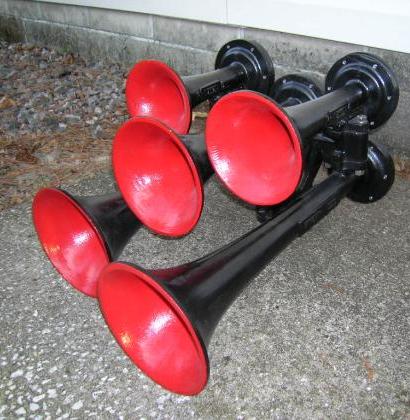 Nathan P5 by Harvey Henkelmann from Wikipedia
Other Locomotive Air Horns
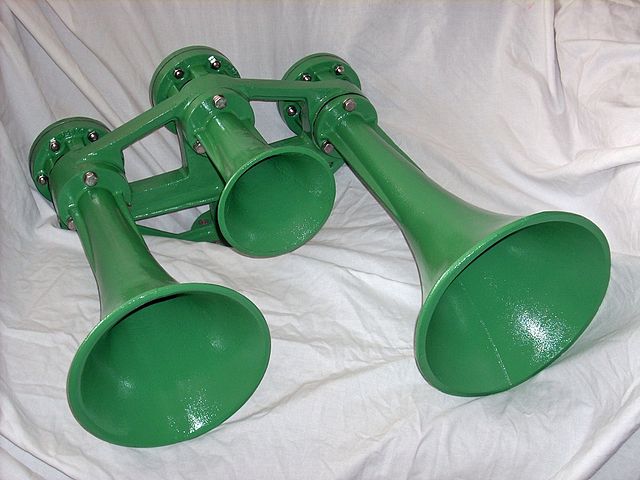 Prime PM990 by Harvey Henkelmann from
Wikipedia
Prime PM990 by Harvey Henkelmann from
Wikipedia
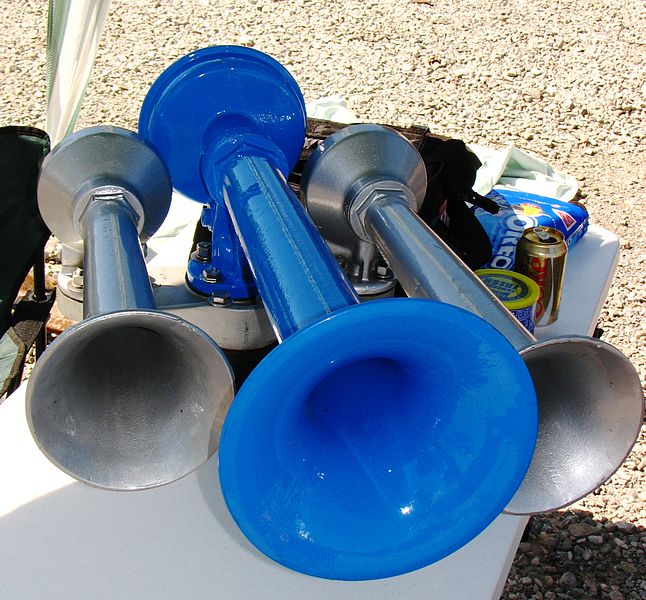
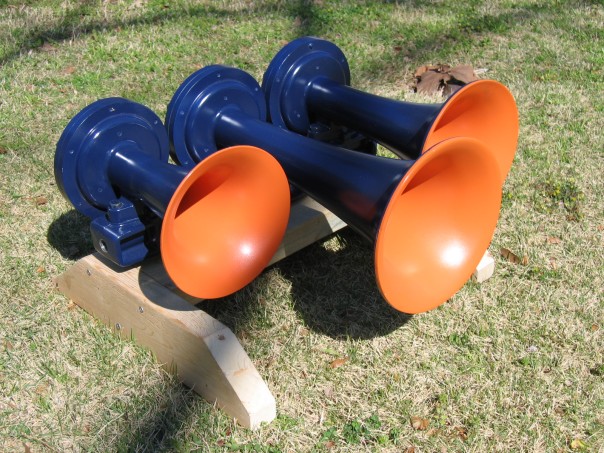 AirChime model K3L by Matt65 from Wikipedia,
Auburn inspired paint scheme!
AirChime model K3L by Matt65 from Wikipedia,
Auburn inspired paint scheme!
 WABCO E2-B1 by Harvey Henkelmann from
Wikipedia
WABCO E2-B1 by Harvey Henkelmann from
Wikipedia
New: 11/9/2006
Last Modified:
12-Dec-2016